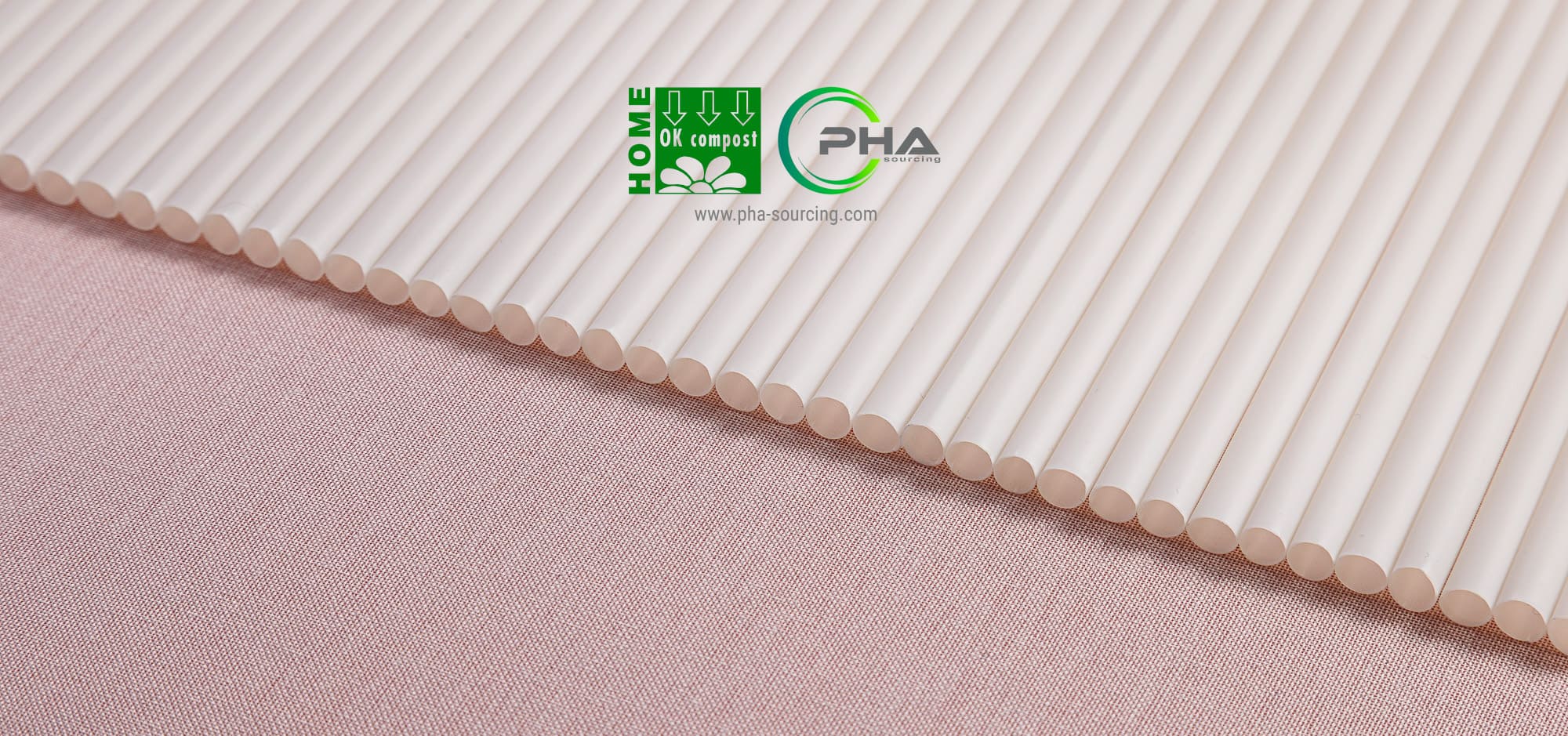
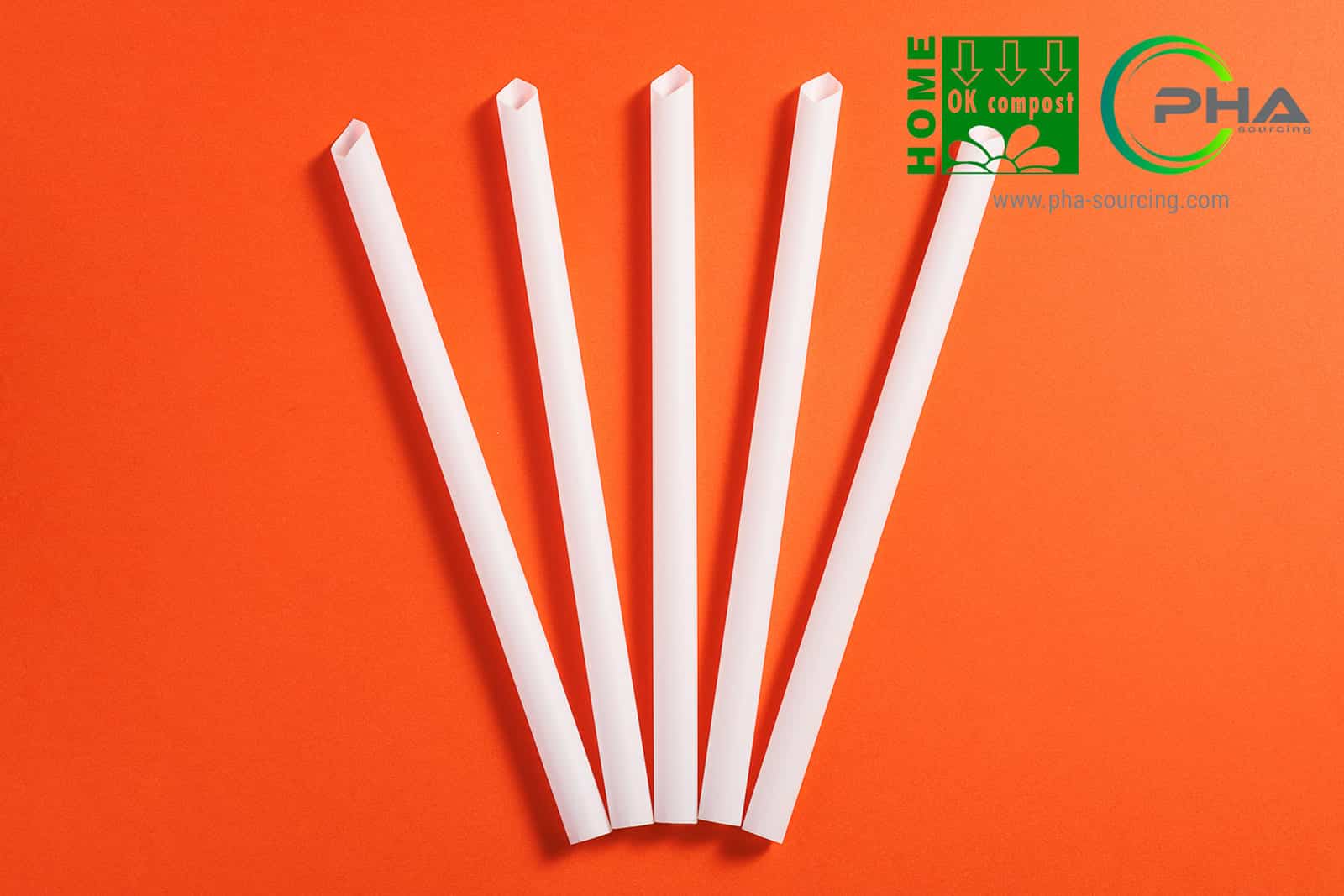
A recent WDW Info opinion article highlights a frustration many theme park visitors already know: paper straws can compromise the drinking experience. While the article supports Disney’s efforts to reduce plastic waste, it argues that paper is not the most satisfying alternative for guests. For B2B buyers, the discussion raises a broader procurement question. Can large venues move away from conventional plastic while still offering reliable, comfortable and more sustainable foodservice products? PHA straws are one solution worth serious consideration.
From Guest Friction to Procurement Opportunity
Paper Straws Can Weaken the Drinking Experience
Paper straws were introduced in many hospitality and leisure environments as a visible response to plastic waste. However, the WDW Info article points to a recurring problem: many guests do not actually enjoy using them. The source describes paper straws as becoming soggy, collapsing during use or leaving an unpleasant paper taste. In a high-experience environment such as a theme park, even small product details can influence customer satisfaction.
This matters for procurement teams because foodservice accessories are not invisible. Visitors interact with straws repeatedly when buying soft drinks, iced coffee, frozen beverages or takeaway meals. A low-cost item can become a recurring pain point if it does not perform well throughout consumption. For venues, parks, stadiums and leisure operators, the challenge is therefore not only to remove conventional plastic. It is to identify alternatives that support environmental objectives without creating a weaker user experience.
The debate also shows why material selection should be connected to real usage conditions. A straw must remain functional long enough for the drink it serves, feel acceptable to the customer and align with the venue’s sustainability policy.
Cost Differences Matter at Disney-Scale Volumes
The article identifies cost as the main obstacle to replacing paper straws with PHA-based alternatives. According to the source, paper straws typically cost between one and five cents each in large-volume purchasing. It states that PHA alternatives generally cost between five and eight cents each, while traditional plastic straws often cost less than two cents each in bulk before being phased out.
For large venues serving millions of beverages per year, these differences can become significant. A few cents per unit may seem minor at the level of an individual drink, but it can represent a major sourcing decision across an entire resort, stadium group, cruise line, campus or quick-service restaurant network. This is why sustainable procurement must evaluate both product performance and total operational impact.
However, the article argues that many guests may accept a modest price increase if it means avoiding paper straws. That point is particularly relevant for premium hospitality environments, where the perceived quality of the experience can justify investment in better materials. In this context, compostable straw alternatives are not only a sustainability choice. They can also become part of the customer experience strategy.
Why PHA-Based Straws Deserve Attention from Large Venues
A Familiar Format with a Stronger Sustainability Profile
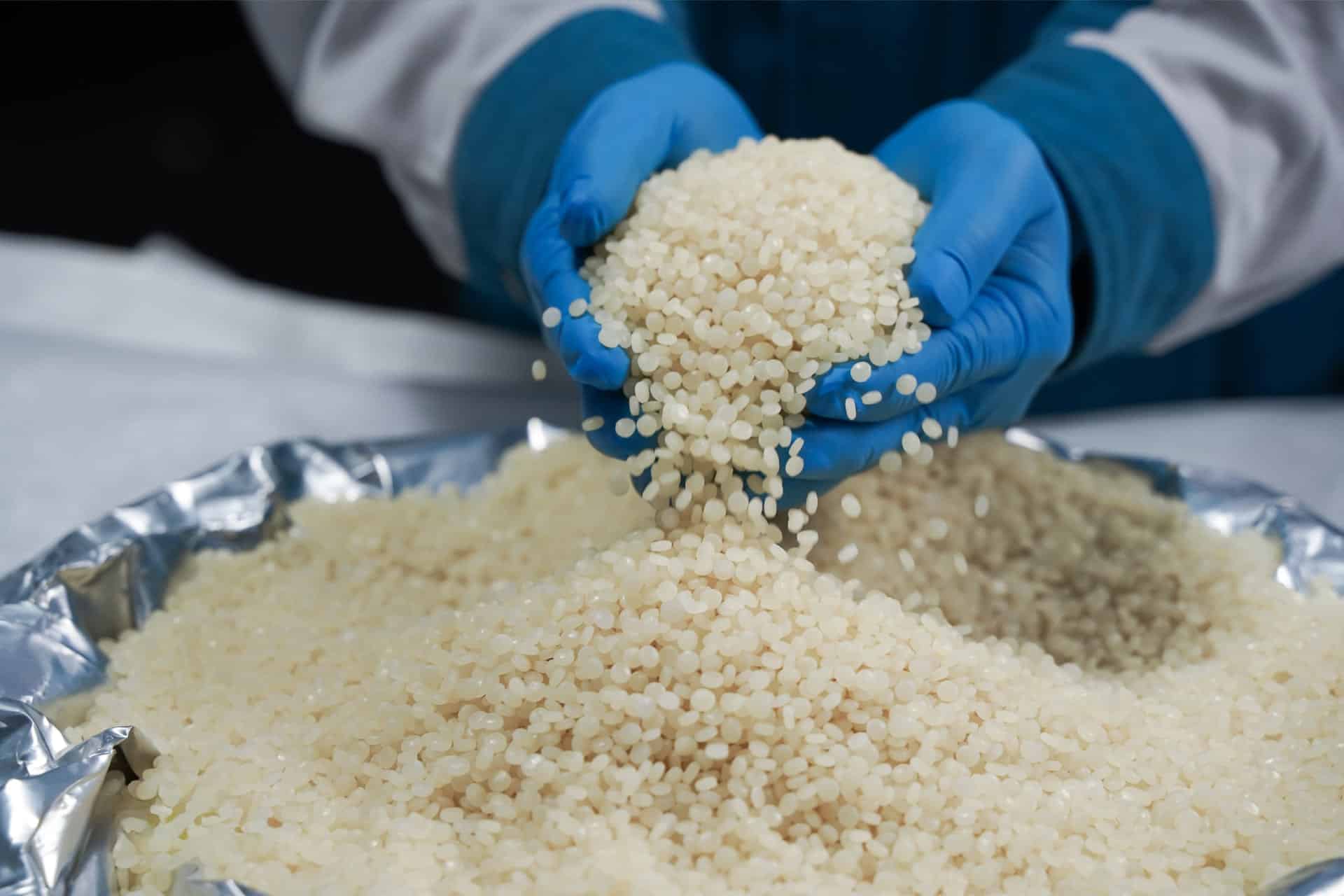
The source presents PHA, or polyhydroxyalkanoate, as a plant-based bioplastic made from renewable resources such as vegetable oils and sugars. It also states that PHA straws can break down more quickly than traditional plastics and are generally considered home compostable, naturally decomposing in soil or water environments over time.
For industrial buyers, this positions PHA as a potential bridge between guest comfort and environmental ambition. Unlike paper, a PHA-based straw can offer a drinking experience closer to conventional plastic while supporting a transition away from fossil-based single-use items. This combination is important for operators that need scalable solutions for beverage service, especially in environments where customer satisfaction is closely monitored.
Buyers should still assess each product according to its specific formulation, certification and intended end-of-life route. Claims such as compostability and biodegradability require careful evaluation, especially across different markets and waste systems. PHA Sourcing provides additional guidance on the difference between compostable and biodegradable materials and on relevant PHA certifications for professional sourcing decisions.
Rollout Strategies Should Match Each Site Context
The WDW Info article notes that Disney’s Animal Kingdom may require stricter material standards because of animal safety considerations. It suggests that other parks, such as Magic Kingdom, EPCOT and Disney’s Hollywood Studios, could potentially adopt higher-quality compostable alternatives while Animal Kingdom keeps a more specific policy. The broader lesson for B2B buyers is that sustainable product adoption does not always need to be uniform across every site.
A venue group can adapt material choices by location, risk profile, operational process and waste management capacity. Food courts, beverage carts, hospitality suites, outdoor events and animal-sensitive areas may not have identical requirements. A phased rollout can help organisations compare performance, guest feedback, sourcing costs and end-of-life management before extending a solution more widely.
This is especially important for compostable products. The product itself is only one part of the sustainability equation. Buyers also need clear sorting instructions, compatible collection processes and realistic local treatment routes. Pages on composting methods and plastic straw pollution can help teams frame these decisions when building a sourcing strategy.
The paper straw debate shows that sustainability and user experience should not be treated as opposing goals. For theme parks, entertainment venues, foodservice groups and event operators, PHA-based solutions can offer a practical route toward better guest satisfaction and reduced reliance on conventional plastics. To explore suitable straw formats and sourcing options for professional use, contact PHA Sourcing.