A recent Straw Market Report reports strong momentum in the global straw market, driven by plastic restrictions, consumer demand for sustainable products and innovation in alternative materials. The source projects the market to reach $26.47 billion by 2030, with a compound annual growth rate of 5.7%. For foodservice operators, distributors, hospitality groups and public venues, this growth reflects a clear sourcing challenge: replacing conventional plastic straws with alternatives that combine usability, compliance and credible environmental benefits.
Sustainability Is Reshaping Straw Procurement
Plastic Restrictions Are Accelerating Material Substitution
The straw market is expanding as businesses respond to tighter regulation on single-use plastics and growing pressure from customers to reduce unnecessary plastic waste. According to the source article, demand is rising for biodegradable, compostable, plant-based and reusable straw formats. This shift affects restaurants, hotels, stadiums, theme parks, transport hubs, institutional catering and retail channels that need reliable alternatives at commercial scale.
For B2B buyers, this evolution is not limited to replacing one product with another. It requires a broader assessment of material performance, cost, supply reliability, end-of-life routes and brand perception. Paper, bamboo, metal, glass, silicone and other specialty materials each address part of the market, but not every option fits every use case. Reusable straws may suit controlled environments, while single-use formats remain necessary in takeaway, fast-service and high-volume visitor settings.
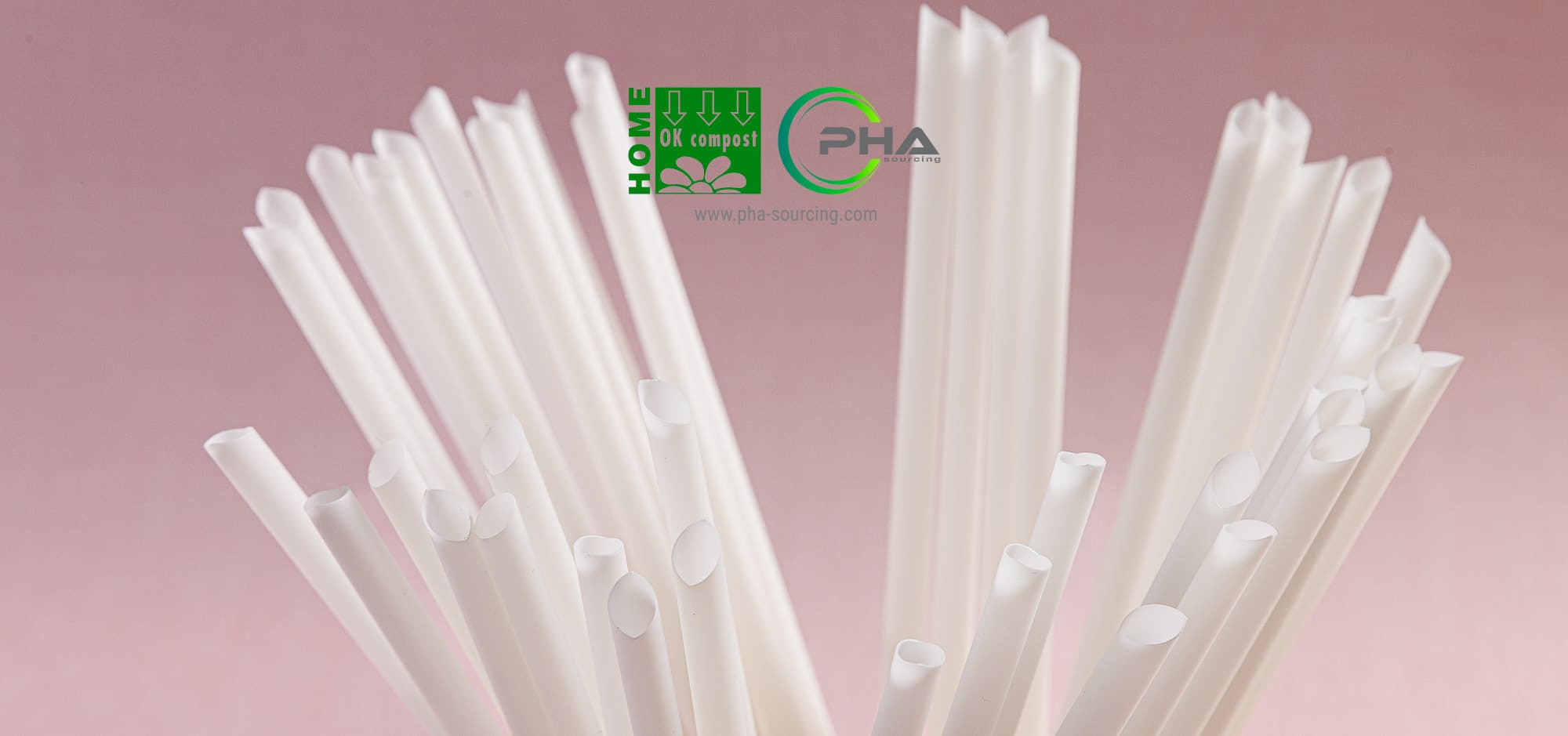
This is where PHA straws become relevant. They are positioned as an alternative for businesses looking to move beyond conventional plastic while maintaining a practical drinking experience. Buyers can also review the broader context of plastic straw pollution when defining sourcing priorities.
A Diverse Market with Multiple Product Segments
The source segments the market by product type, sales channel, length and end use. Product categories include plastic, bamboo, metal, paper, glass, silicone and other materials. Sales channels include manufacturers, distributors, retailers and e-retail. Straw lengths range from under 9 centimeters to more than 20 centimeters, reflecting the needs of different beverages, service formats and customer contexts.
This segmentation highlights an important point for industrial procurement teams: the right straw depends on the application. A cocktail straw, a smoothie straw and a standard soft drink straw do not have the same functional requirements. Length, diameter, rigidity, temperature resistance and drinking comfort can all affect product selection. Foodservice, institutional and household use cases also create different expectations around cost, durability, hygiene and disposal.
For companies sourcing plant-based alternatives, product variety matters. PHA Sourcing offers dedicated information on standard PHA straw formats as well as large PHA straws for applications that require a wider or more robust format. These distinctions can help buyers match material choice with the beverage experience they need to deliver.
PHA Straws as a Next-Generation Foodservice Option
Innovation Is Moving Beyond Paper and Reusable Straws
The OpenPR article identifies next-generation eco-friendly materials as a major trend shaping the future of the market. It specifically mentions PHA, bamboo, wheat and rice husk as examples of alternative materials designed to replace traditional plastic straws. This shows that innovation is not only focused on paper substitutes or reusable accessories. New material platforms are being developed to meet both sustainability expectations and practical foodservice requirements.
PHA is particularly relevant because it belongs to the wider family of polyhydroxyalkanoates, biopolymers associated with renewable feedstocks and biodegradation potential. For procurement teams, this makes PHA an option to evaluate when paper straws do not provide the desired user experience or when reusable straws are not operationally suitable.
The source also cites the July 2025 launch of home-compostable PHA straws by Anu Drinkware for Yellowstone National Park visitors. These straws were distributed across concession areas and service stations, supporting efforts to reduce single-use plastic waste while maintaining convenience for high visitor volumes. For B2B buyers, this type of deployment illustrates how PHA-based formats can be considered for demanding public environments.
Certification, Compostability and End-of-Life Planning Matter
As the sustainable straw market grows, buyers need to look beyond broad environmental claims. Terms such as biodegradable, compostable, plant-based and reusable are not interchangeable. Each material must be evaluated according to its formulation, certifications, regulatory context and realistic disposal pathway. PHA Sourcing’s guide to the difference between compostable and biodegradable materials can help procurement teams frame these distinctions before selecting products.
The OpenPR source highlights growing demand for biodegradable and compostable straw use, but it does not provide detailed certification data for each product category. This means buyers should request documentation from suppliers, especially when products are intended for professional foodservice, public tenders, institutional catering or large-scale venue operations. Information on PHA certifications and composting methods can support this evaluation process.
The projected growth of the straw market shows that alternatives to conventional plastic are becoming a structural procurement priority, not a niche trend. For businesses seeking compostable, application-ready straw options, contact PHA Sourcing to discuss PHA product formats, sourcing requirements and B2B availability.