A recent IDTechEx article highlights two materials expected to reshape the bioplastics market: polyhydroxyalkanoates and polyethylene furanoate. According to the source, their combined global production capacities could move toward two million tonnes per year by 2036 and represent 13% of total global bioplastics production. For industrial buyers, this forecast confirms a strategic shift. Established materials such as PLA and partially bio-based PET are no longer the only options. New bio-based polymers are emerging with performance, sustainability and application benefits.
Why PHAs Are Gaining Attention in the Bioplastics Market
A Naturally Produced Polymer with Industrial Potential
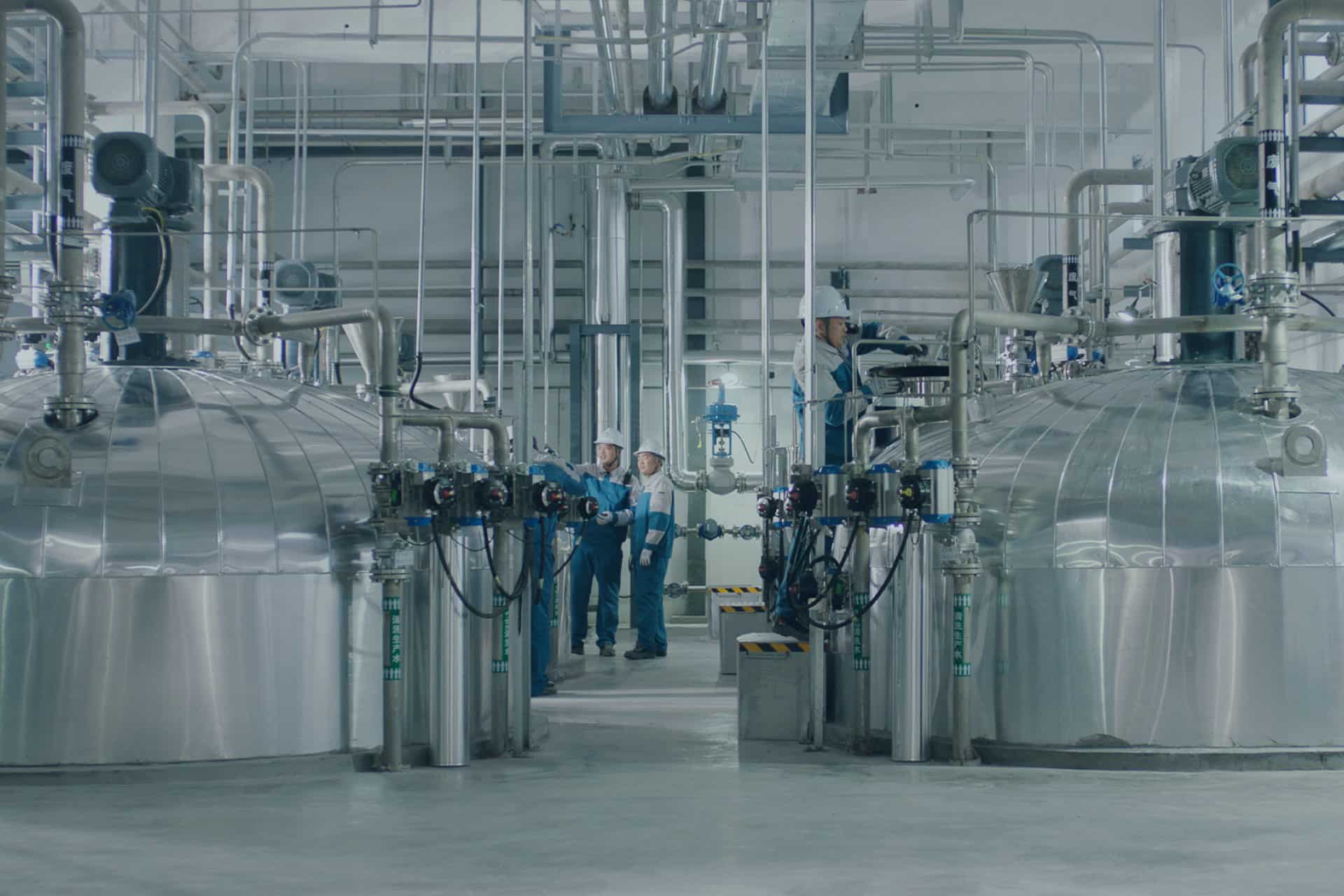
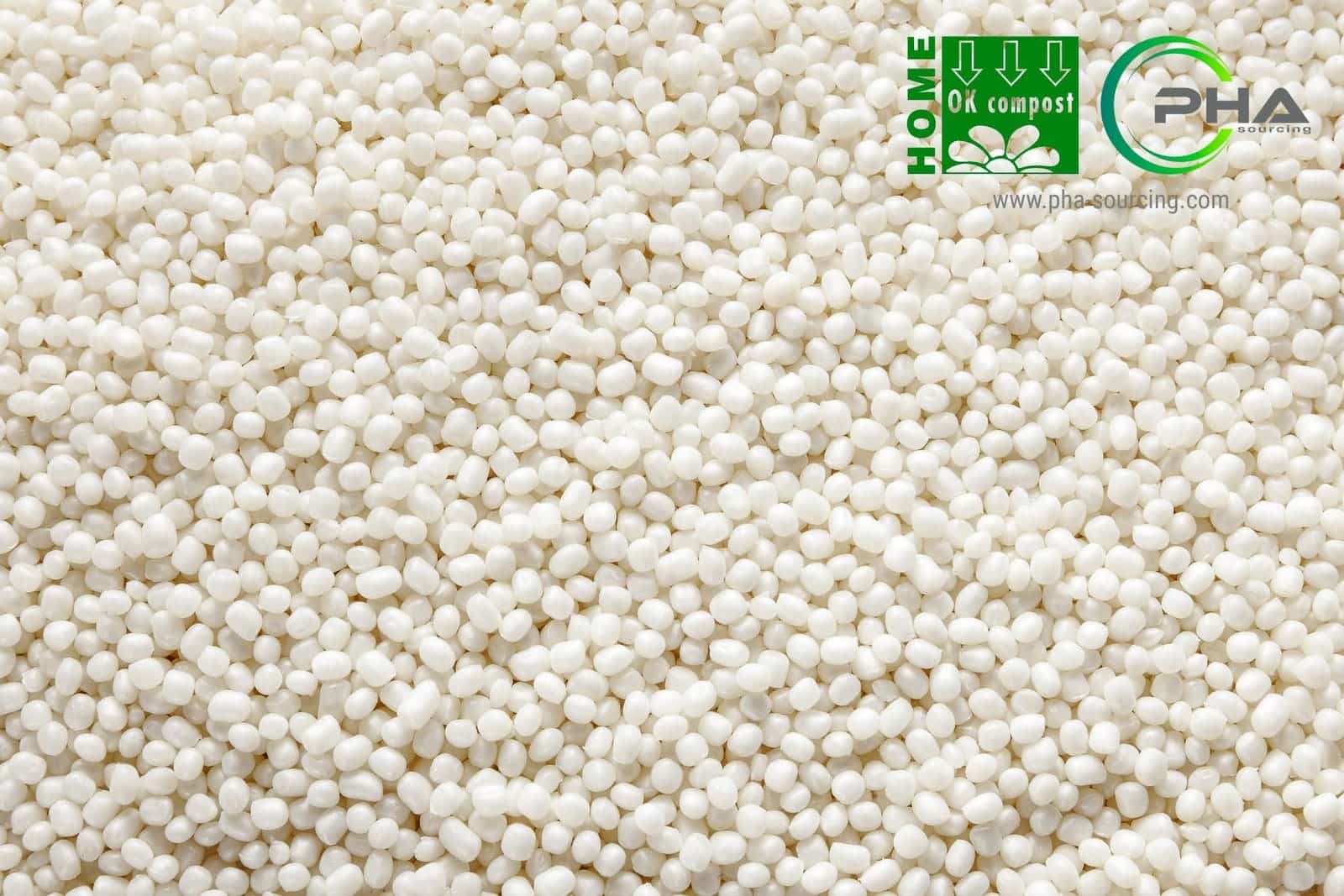
PHAs, or polyhydroxyalkanoates, differ from many synthetic bioplastics because they are naturally produced inside living microorganisms. The article explains that microbes can convert renewable feedstocks, including sugars, fatty acids and methane biogas, into PHAs. These polymers act as a form of energy storage inside the cells and can account for up to 80% of total cell volume.
This biological origin is important for companies evaluating next-generation materials. It gives PHAs a different positioning from fossil-based plastics and from several other bio-based polymers. The material can be directly isolated from bioreactors through solvent extraction or enzymatic degradation methods. However, the same production route also creates commercial challenges. According to IDTechEx, PHA production can be limited by batch-to-batch processes that may be inconsistent and expensive.
For B2B buyers, this means the opportunity is real but must be assessed carefully. The market is moving from technical promise toward scale-up, but supply reliability, product grade, price and end-use performance remain key procurement criteria. Companies planning long-term material substitution can explore PHA biopolymers and their industrial relevance before moving toward application-specific sourcing.
Cost, Scale and Application Readiness Remain Central
The reports that PHA prices remain high, at around US$4-6/kg, but are falling as production scales and as fermentation and recovery steps are optimized. The article identifies cost parity with PLA, estimated at US$2-3/kg, as a critical success factor. This comparison matters because both materials are biodegradable plastics often considered for single-use applications such as packaging, cups and cutlery.
For procurement teams, this cost gap should be understood in context. The lowest-cost option is not always the best strategic choice when regulatory pressure, sustainability targets, brand positioning and end-of-life requirements are involved. The question is whether the additional material value can be justified by performance, biodegradability or access to new use cases.
The source also highlights several technical advantages. PHAs are described as offering enhanced biodegradability, including decomposition in marine environments, while PLA generally requires industrial composting. Their biocompatibility, linked to microbial origin, can support biomedical equipment applications. Their tuneability is another important point: different monomer lengths can be selectively incorporated through genetic engineering techniques, allowing structural and material properties to vary. This flexibility supports the development of bioplastic products adapted to different industrial specifications.
How PEF Compares with PHAs in the Next Bioplastics Wave
A Bio-Based Route Targeting PET Alternatives
Polyethylene furanoate, or PEF, is positioned differently from PHAs. The article describes PEF as a synthetic bioplastic produced through the polymerization of monoethylene glycol with 2,5-furandicarboxylic acid. Bio-based monoethylene glycol derived from bioethanol is already available because it has been commercialized for partially bio-based PET. Bio-based FDCA, however, remains at pilot stage and can be obtained from fructose using fermentation and metal-catalyzed oxidation steps.
Because both constituent monomers can be bio-based, PEF is presented as a more sustainable alternative to PET. Its competitive angle is also strongly linked to performance. The source states that PEF provides enhanced mechanical, thermal and gas barrier properties. These characteristics could allow PEF to replace PET in food packaging and textile fibers.
This distinction is useful for industrial decision-makers. PHAs and PEF are not competing in exactly the same way. PEF is mainly discussed as a potential PET alternative for packaging and fibers, while PHAs are highlighted for biodegradability, biocompatibility and single-use applications. Buyers evaluating material families can compare their priorities through broader resources on bioplastic types and bioplastic packaging applications.
Commercial Momentum Is Building Across Emerging Bioplastics
The IDTechEx source states that PEF is not yet commercialized but is expected to move forward from 2026 onward as leading players increase FDCA production, form partnerships and sign off-take agreements with brands. The article also forecasts exponential growth for the PEF industry, with an expected CAGR of 88.7% through to 2036.
This projected growth reflects a broader change in the bioplastics industry. Innovation is no longer limited to replacing conventional plastics with drop-in alternatives. New materials are being developed around specific property advantages, end-of-life profiles and commercial applications. For PEF, the focus is on improved barrier and thermal performance. For PHAs, the focus includes biodegradability, application flexibility and suitability for products such as packaging, cups and cutlery.
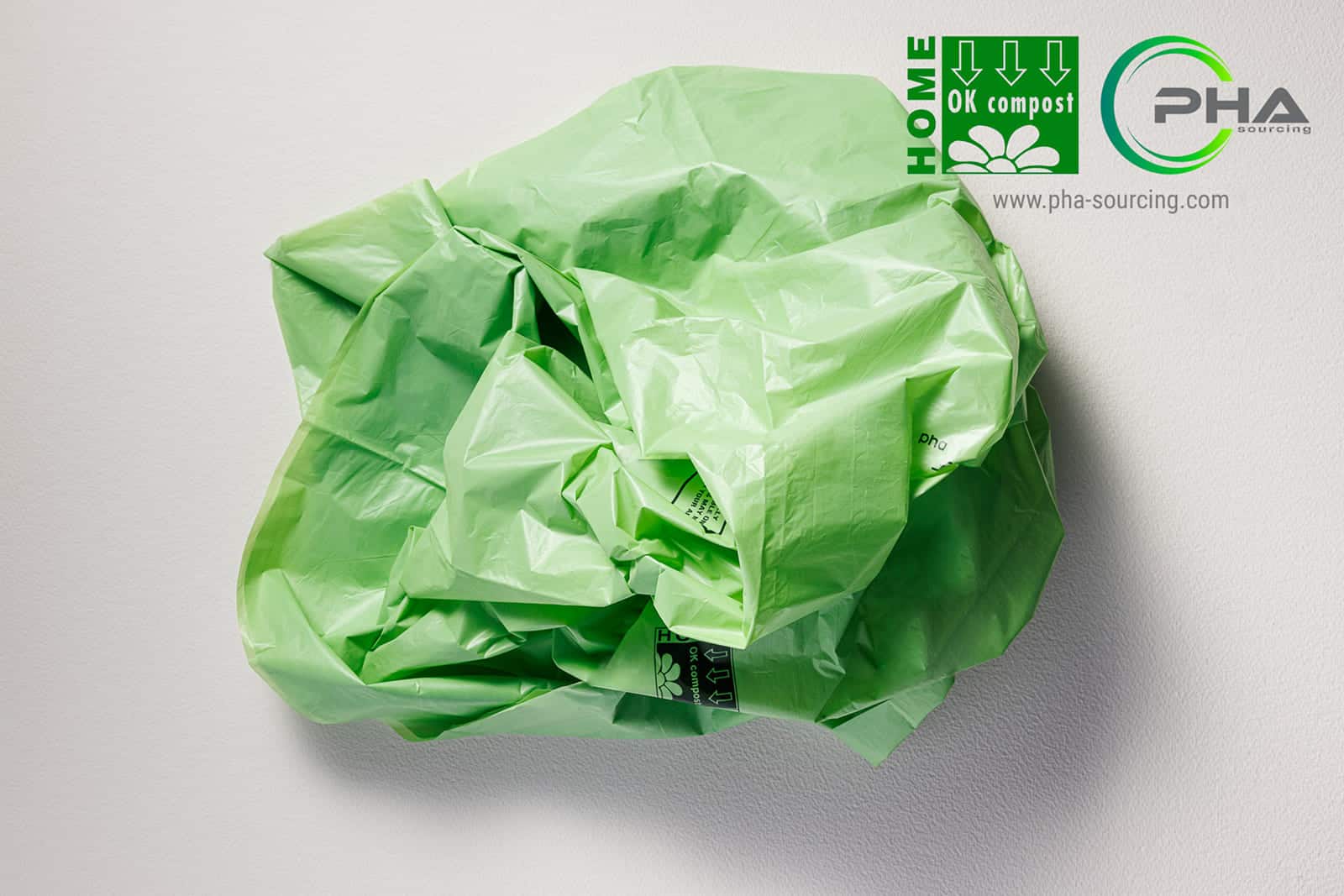
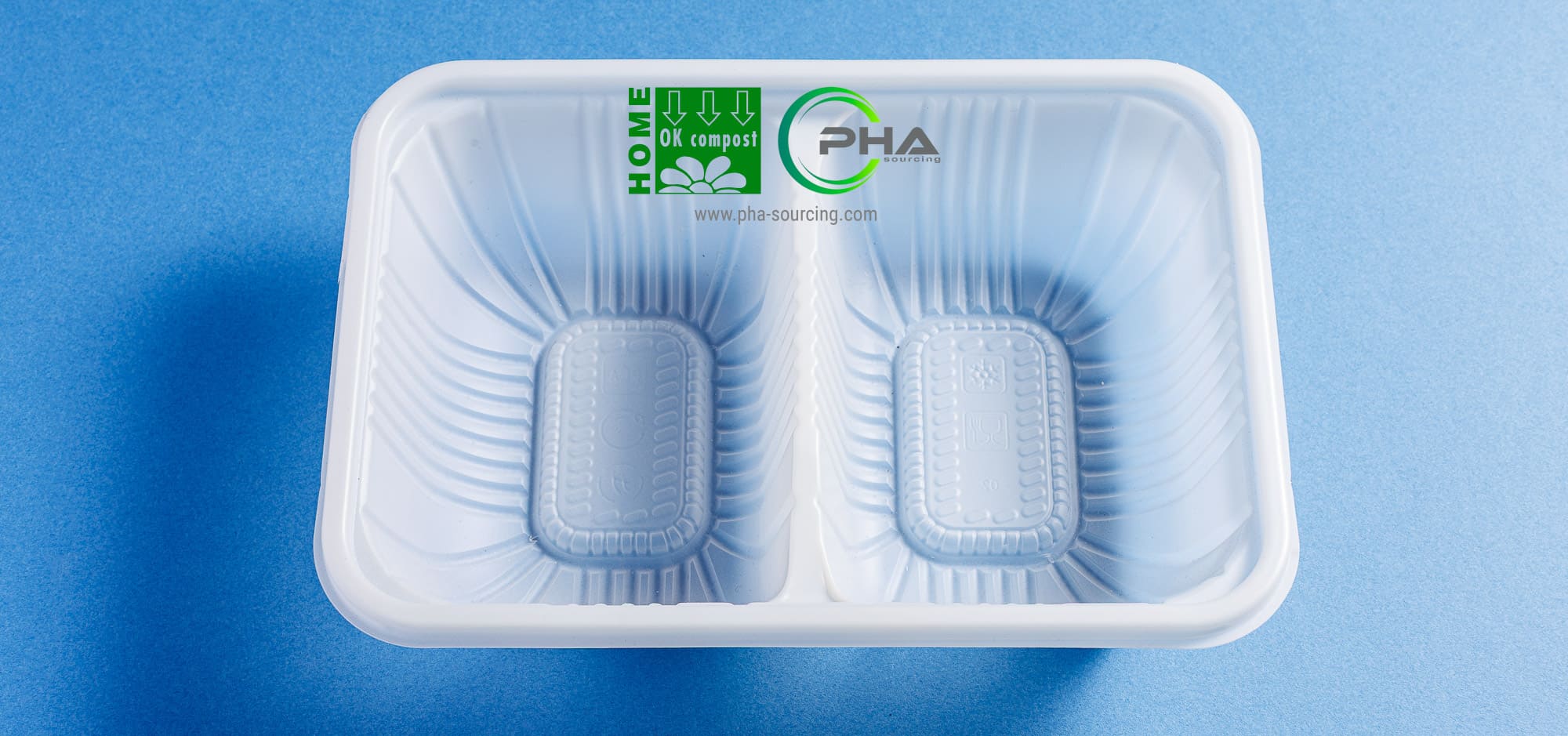
For PHA Sourcing’s B2B audience, the key message is that material strategy should be application-led. A brand, converter or packaging buyer should not select a polymer family only because it is bio-based. It should assess the required product function, regulatory context, cost target, processing needs and disposal route. Companies working on single-use foodservice applications can review options such as single-use cups, PHA food ware and biodegradable packaging.
The forecast described by IDTechEx suggests that PHAs and PEF could become major contributors to bioplastics growth by 2036. For industrial buyers, the practical opportunity lies in preparing now: identifying suitable applications, understanding certification requirements, evaluating supply options and testing product formats. PHA Sourcing supports companies looking to move from material interest to operational sourcing. To discuss PHA grades, finished products or industrial requirements, contact PHA Sourcing.