Industrial interest in polyhydroxyalkanoates is accelerating as brands, manufacturers and policymakers look for alternatives to conventional fossil-based plastics. A new plant setup guide from IMARC Group highlights the growing business case for biodegradable polymers, driven by packaging demand, food service applications, biomedical uses, agricultural materials and regulatory pressure on single-use plastics. For industrial buyers, this confirms a clear direction: scalable, bio-based and compostable materials are becoming a strategic procurement priority, not just a sustainability option.
Why Industrial Demand For PHA Is Expanding
A biodegradable material aligned with regulatory pressure
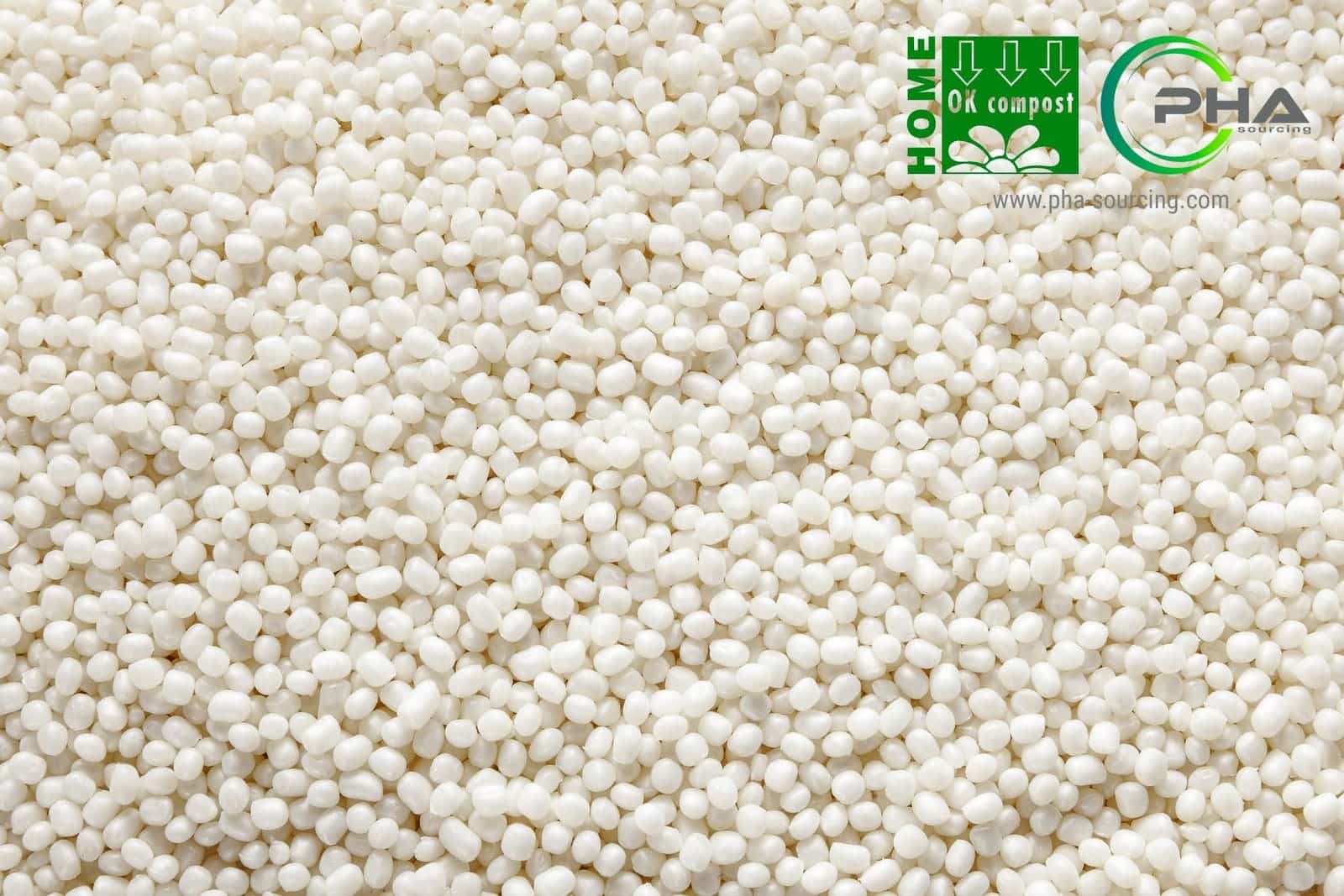
PHA is described in the source as a family of fully biodegradable polyesters produced by microorganisms through fermentation of renewable carbon sources such as sugars, plant oils or organic waste. These materials are valued because they can biodegrade in soil, water and marine environments, while also offering compostability and biocompatibility. For B2B buyers, this combination is especially relevant in markets where conventional plastics face increasing restrictions.
The source links market growth to government policies, circular economy measures, extended producer responsibility frameworks and bans on single-use plastics. For packaging manufacturers, food service operators and consumer goods companies, this creates a stronger need for materials that can support sustainability targets while remaining compatible with industrial processing routes. PHA pellets are therefore gaining attention as a practical alternative for companies seeking to reduce dependence on petroleum-based plastics.
Market growth supported by packaging and industrial applications
According to the source, the global PHA market was valued at USD 217.8 million in 2025 and is expected to reach USD 646.9 million by 2034, with a projected CAGR of 12.86% from 2026 to 2034. This growth is attributed to rising demand for biodegradable polymers, sustainable consumer goods, regulatory pressure and broader adoption across packaging, food service, biomedical, agricultural and automotive sectors.
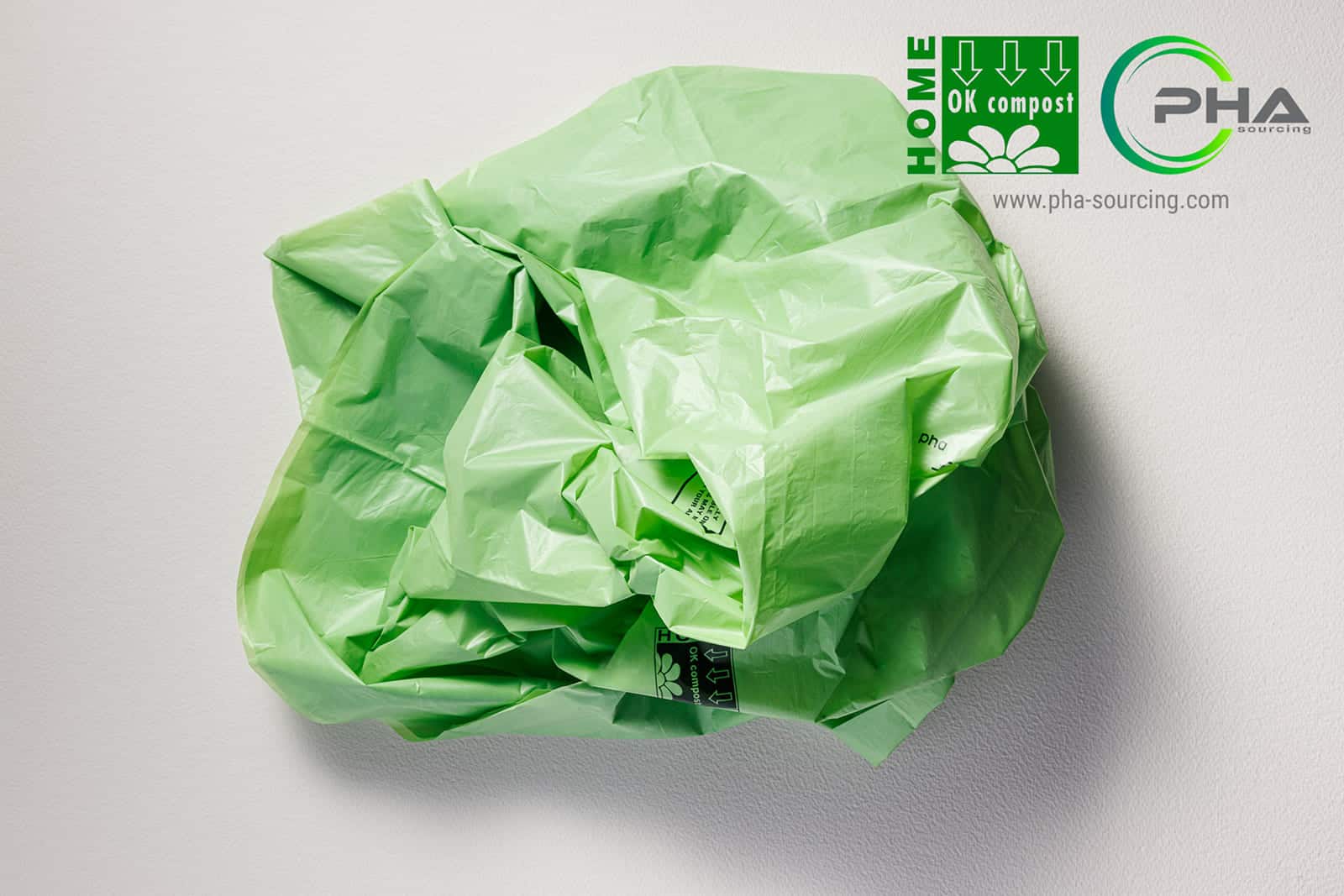
For industrial decision-makers, the key message is clear: PHA is no longer limited to niche applications. The source identifies uses including biodegradable food containers, compostable films, single-use cutlery, food trays, snack pouches, medical sutures, agricultural mulch films, seed coatings, 3D printing filaments and personal care packaging. This breadth of applications gives procurement teams, product developers and sustainability managers more flexibility when assessing industrial PHA applications and bio-based material strategies.
What The Production Plant Guide Reveals About Scale
Industrial capacity is becoming central to material adoption
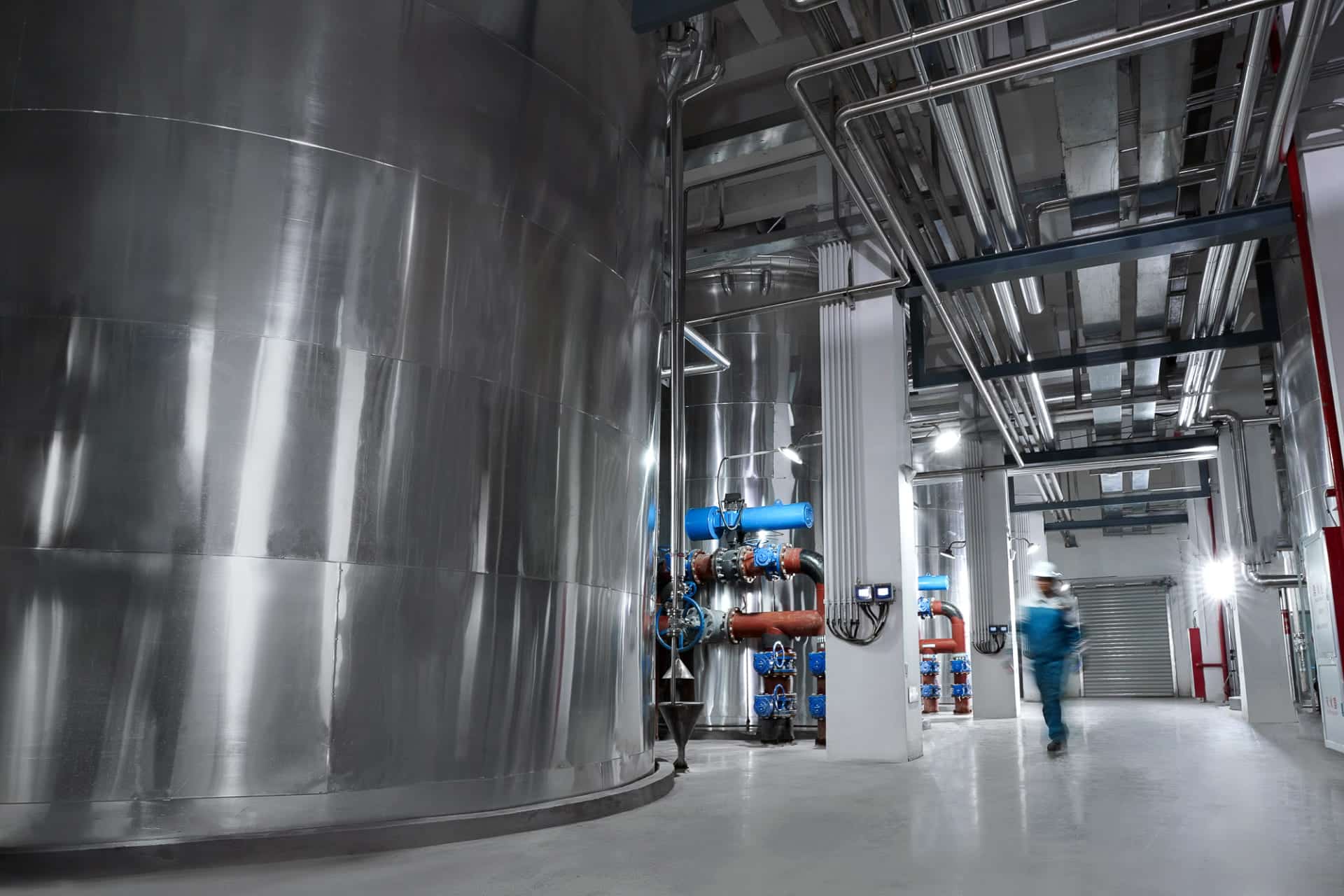
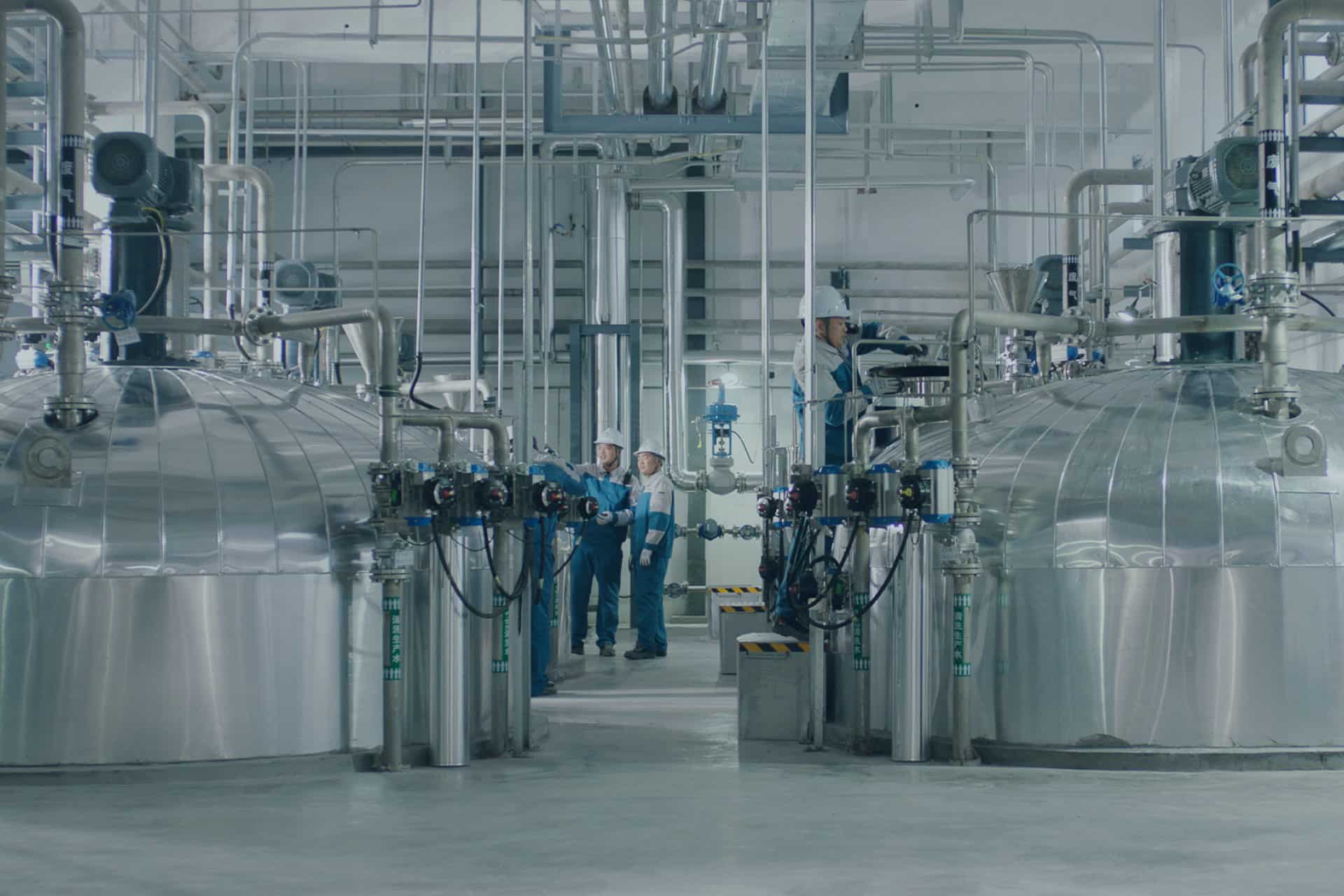
The source presents a proposed polyhydroxyalkanoates production facility with an annual production capacity of 10,000 MT. It also notes that scalable production facilities can serve high-volume sectors such as packaging, food service, agriculture and industrial customers. For buyers, production capacity matters because material availability, quality consistency and cost competitiveness are key criteria when replacing conventional plastics.
Large-scale production can help make biodegradable materials more accessible to manufacturers that require repeatable specifications and reliable supply. This is especially important for companies producing food service ware, compostable packaging, agricultural films or consumer goods packaging at industrial volumes. As demand expands, the availability of PHA production capacity will influence how quickly businesses can move from pilot projects to commercial product lines.
Process control supports application-specific performance
The guide describes a multi-step manufacturing process that includes feedstock preparation, seed fermentation, main fermentation in industrial bioreactors, cell harvesting, cell lysis, polymer extraction, purification, drying, pelletizing, compounding, quality inspection and packaging. It also highlights quality control criteria such as polymer purity, molecular weight distribution, monomer composition and biodegradability testing.
This process detail matters for industrial users because final material performance depends on controlled production and formulation. PHA can be processed into flexible films or rigid thermoplastics, depending on grade and application needs. The source also mentions compounding and blending for application-specific grades, which is essential for companies seeking properties such as flexibility, strength, heat resistance or compatibility with existing PHA manufacturing processes.
How PHA Supports B2B Sustainability Strategies
Applications across packaging, agriculture and consumer goods
The source identifies packaging and food service as major application areas for PHA, including biodegradable food containers, compostable films, single-use cutlery, trays, snack pouches and food service ware. It also highlights agricultural uses such as mulch films, seed coatings, controlled-release fertilizer coatings and plant pots that decompose naturally in soil without leaving microplastic residues.
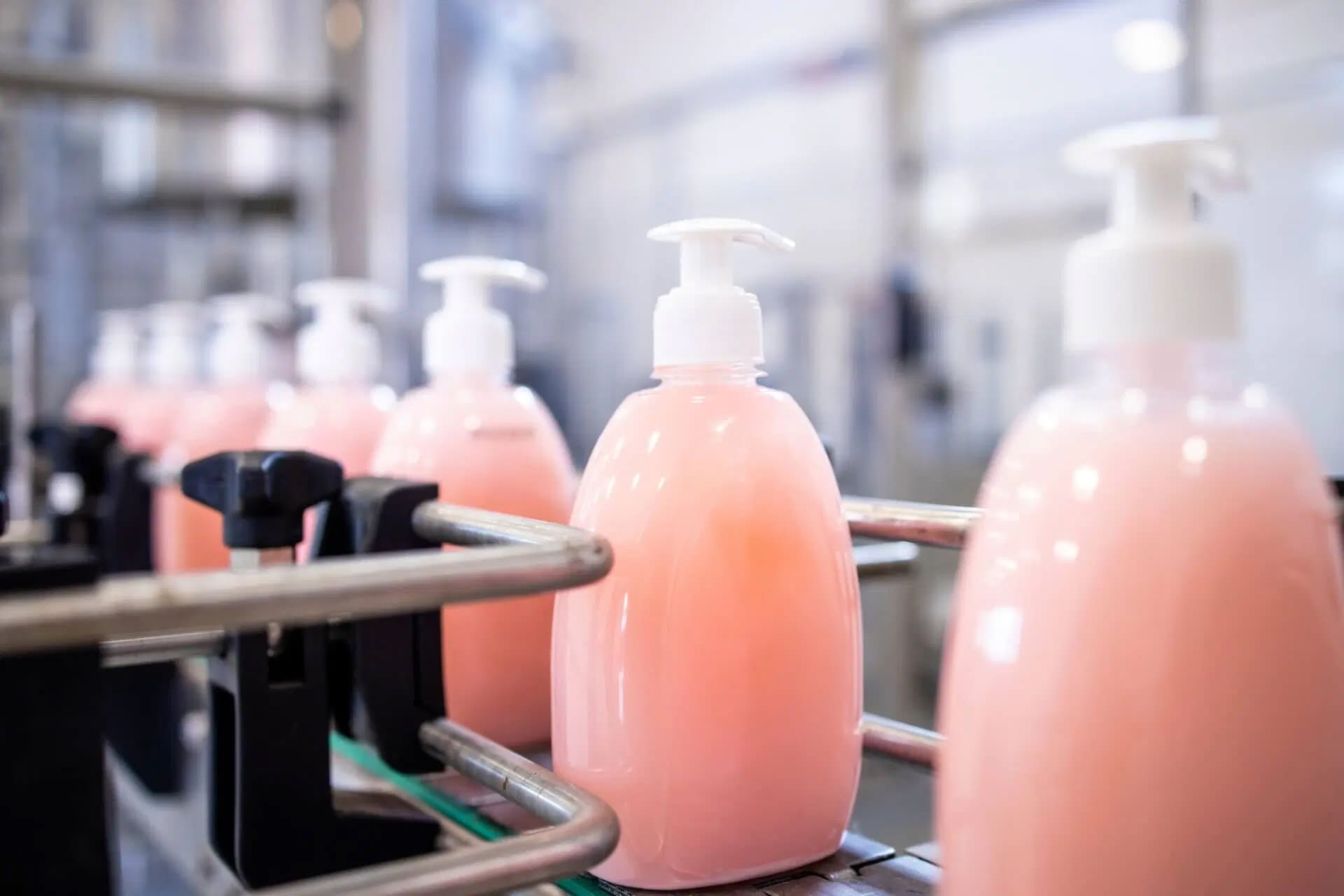
For companies under pressure to reduce plastic waste, these applications are directly aligned with operational sustainability goals. Buyers can evaluate PHA as a material option for sustainable packaging solutions, PHA food ware and cutlery, PHA agricultural products or PHA filament for 3D printing, especially when end-of-life performance is important. The material’s potential across packaging, agriculture, textiles, medical devices and consumer goods also supports multi-category sourcing strategies.
A sourcing opportunity for companies moving beyond fossil-based plastics
The source positions PHA as part of the global shift from fossil-based materials to renewable resources. It also notes that manufacturers are replacing conventional petroleum-based plastics with PHA because these materials offer biodegradability across diverse environments, reduce carbon footprints and respond to clean-label consumer expectations. For B2B organizations, this can support both product innovation and ESG commitments.
PHA Sourcing helps industrial buyers access bio-based, compostable and biodegradable PHA products for applications where sustainability, regulatory alignment and material performance are business priorities. Whether the requirement involves raw material sourcing, packaging development or product transition away from conventional plastics, PHA offers a credible route for companies looking to align procurement with long-term environmental targets.
To explore available PHA solutions for your industrial project, contact PHA Sourcing or place an online order for products adapted to your application needs.