Across industries, companies are under increasing pressure to transition toward sustainable packaging. Governments are introducing stricter regulations on plastic waste, consumers expect environmentally responsible products and brands are committing to ambitious sustainability goals. Yet despite these drivers, many organizations face significant uncertainty when adopting sustainable packaging solutions. Changing regulations, unclear infrastructure and evolving material standards make it difficult to select the right long-term strategy. In this complex landscape, alternative materials such as bioplastics are emerging as a promising option to help companies navigate regulatory risks while progressing toward circular packaging models.
Why Sustainable Packaging Decisions Are Becoming More Complex
Evolving regulations and compliance challenges
One of the main sources of uncertainty for companies lies in the rapidly evolving regulatory environment surrounding packaging. Governments around the world are implementing policies designed to reduce plastic waste, encourage circularity and increase producer responsibility. Extended Producer Responsibility schemes, single-use plastic restrictions and packaging reduction targets are becoming more common.
However, regulatory frameworks differ significantly between regions and continue to evolve. Companies operating internationally must therefore navigate a complex landscape of compliance requirements, which can make long-term material decisions difficult. As highlighted in discussions around how companies manage the uncertainty of sustainable packaging, businesses must constantly adapt to new policies while maintaining operational efficiency.
Cost pressures and infrastructure limitations
Beyond regulatory uncertainty, companies also face practical challenges when adopting sustainable packaging solutions. Alternative materials often involve higher upfront costs compared with conventional plastics, particularly when supply chains are still developing.
In addition, recycling and waste management infrastructures vary widely between countries. Materials that are technically recyclable or compostable may not always benefit from the appropriate collection and treatment systems. As a result, companies must carefully evaluate the real environmental performance and feasibility of each packaging solution before implementing it at scale.
How Bioplastics Offer a Strategic Path Forward
Reducing dependence on fossil-based plastics
In response to these challenges, many companies are turning toward bioplastics as part of their sustainable packaging strategies. Produced from renewable resources rather than fossil feedstocks, bioplastics help reduce dependence on conventional plastics while supporting corporate climate commitments.
The bioplastics market is expanding rapidly, particularly in the packaging sector which represents one of the largest areas of application. As material innovation continues and production capacities increase, bioplastics are becoming more accessible for industrial users seeking sustainable alternatives that remain compatible with existing manufacturing processes.
PHA materials supporting circular packaging strategies
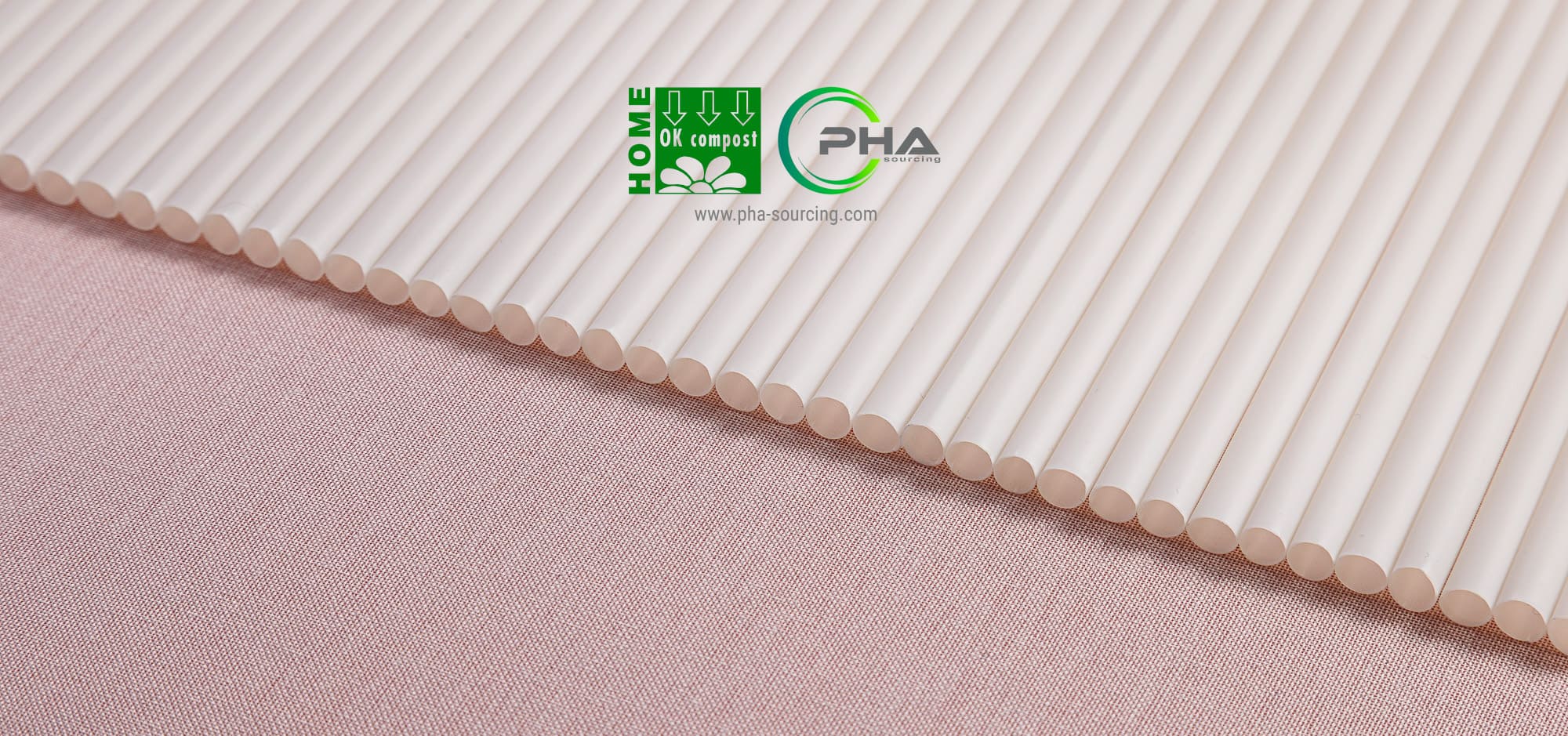
Among the various families of bioplastics, PHA (polyhydroxyalkanoates) is attracting increasing interest for packaging applications. PHA is produced through microbial fermentation of renewable resources and belongs to a group of polymers that are both biosourced and biodegradable in natural environments.
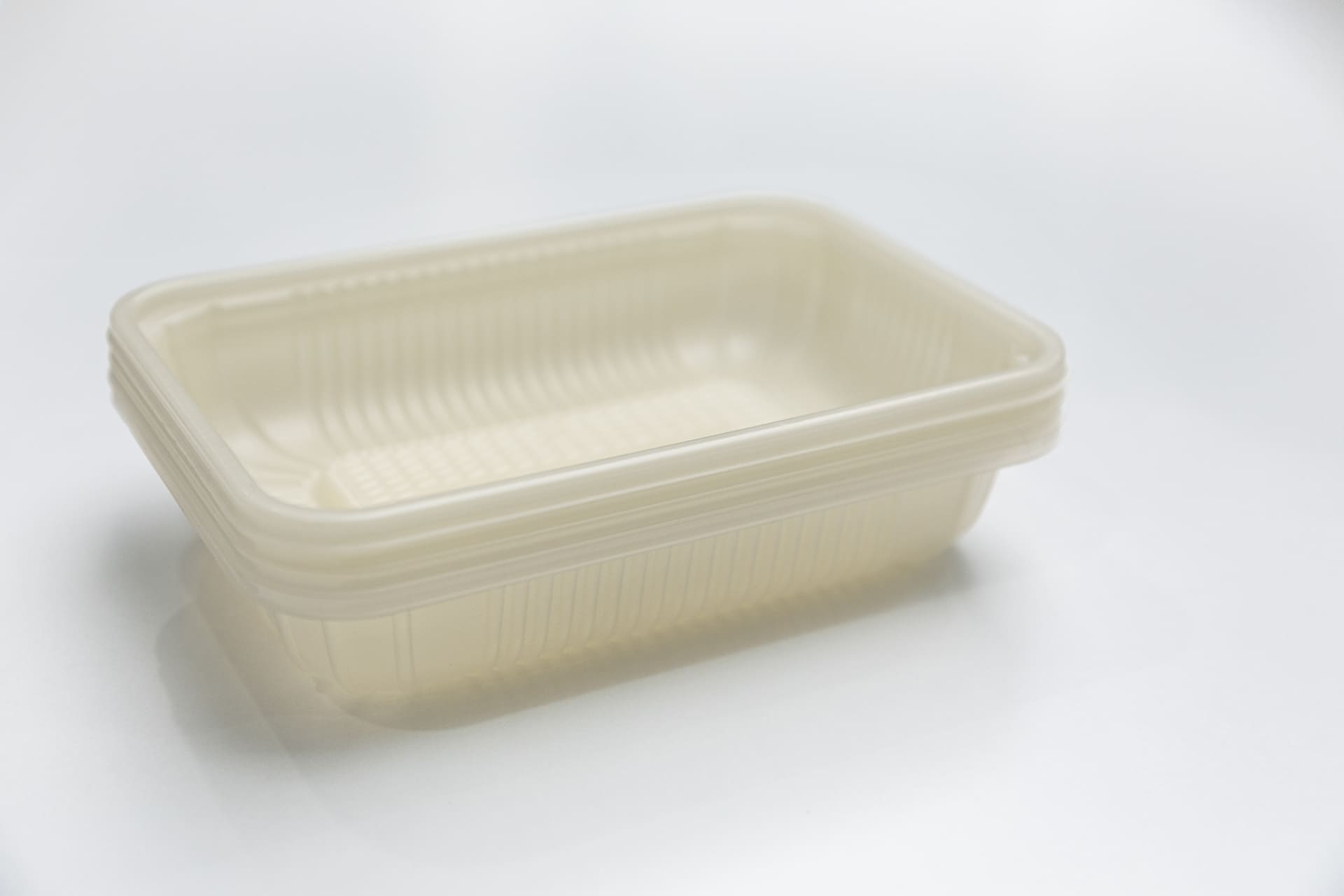
For companies aiming to reduce plastic pollution and improve end-of-life management, materials such as PHA can contribute to more responsible packaging strategies. Their ability to integrate into broader circular economy approaches makes them particularly relevant for brands seeking long-term solutions to packaging sustainability challenges.
At PHA Sourcing, we help industrial buyers integrate PHA-based materials into their packaging projects. With scalable supply capabilities and expertise in biosourced polymers, our team supports companies looking to move beyond uncertainty and adopt materials aligned with future environmental expectations.
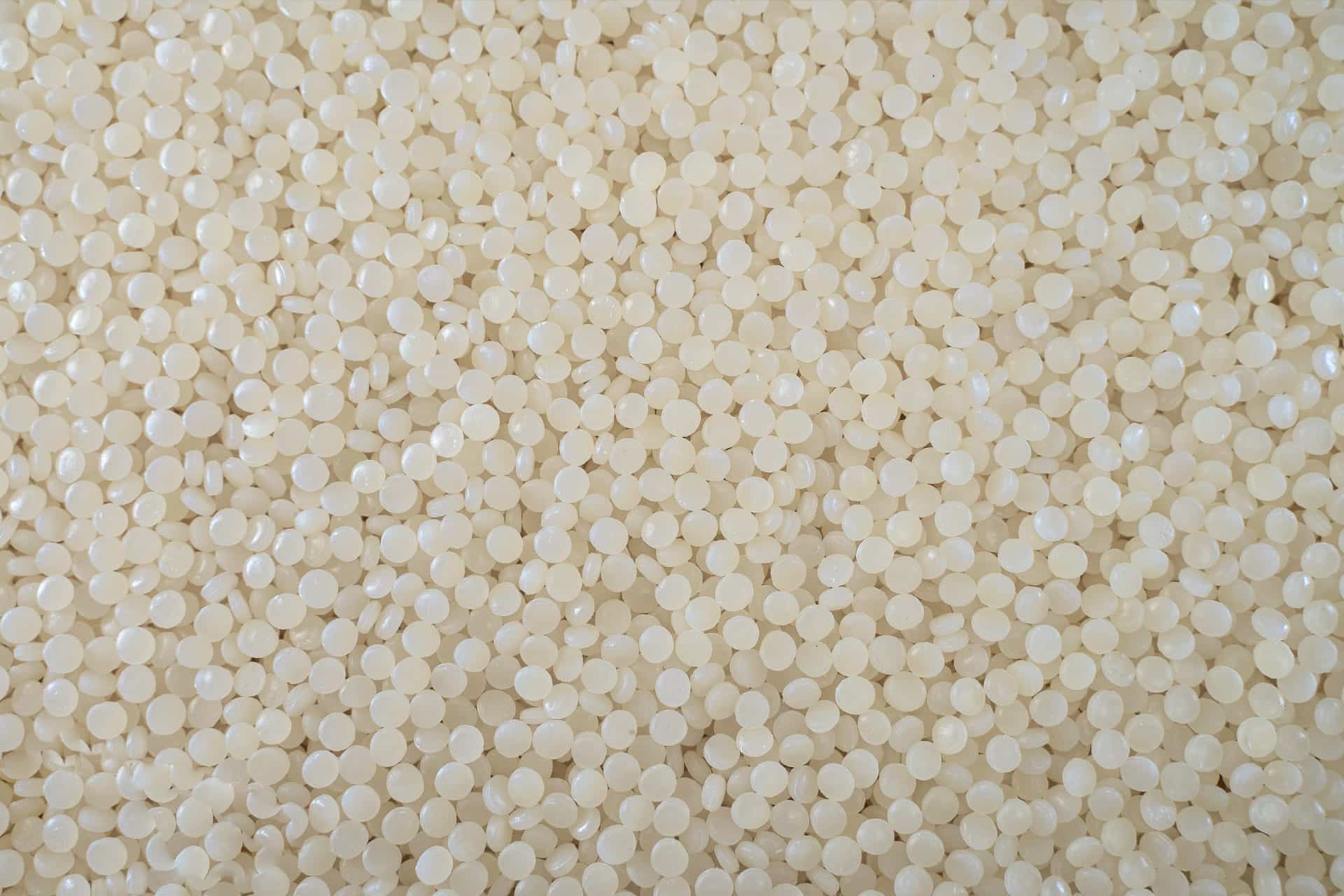
Contact PHA Sourcing to learn how PHA pellets and other PHA solutions can support your transition toward sustainable packaging.