The automotive industry is accelerating its transition toward sustainable materials. As manufacturers seek to reduce environmental impact and comply with increasingly strict regulations, bioplastics are gaining traction as a viable alternative to conventional petroleum-based plastics. Among them, PHA (polyhydroxyalkanoates) stands out as a promising material thanks to its biosourced origin and natural biodegradability. Market analyses indicate that the automotive bioplastics sector could reach USD 4.39 billion by 2033, reflecting a strong shift toward more responsible material choices. For industrial buyers and innovation teams, bioplastics represent both a regulatory response and a strategic opportunity for sustainable product design.
The Growing Role of Bioplastics in Automotive Manufacturing
Environmental pressure is reshaping material strategies
Automotive manufacturers are facing growing pressure to reduce the environmental footprint of their vehicles. Governments and international institutions are implementing stricter regulations to limit emissions, reduce waste and promote the use of renewable resources. As a result, manufacturers are exploring new material solutions capable of meeting both performance requirements and sustainability targets.
Bioplastics offer a compelling answer to these challenges. Produced from renewable resources rather than fossil feedstocks, they help reduce dependence on petrochemicals while lowering the carbon footprint associated with vehicle components. Their adoption supports corporate sustainability commitments and helps manufacturers align with evolving environmental policies, particularly in regions such as Europe where regulatory frameworks are becoming increasingly demanding.
Lightweight materials for improved vehicle efficiency
Beyond environmental benefits, bioplastics also contribute to one of the automotive industry’s core priorities : vehicle lightweighting. Reducing the weight of vehicles improves fuel efficiency and supports the performance targets of both internal combustion and electric vehicles.
Bioplastic materials are being explored for a wide range of automotive components, including interior trims, dashboards, seat fabrics and certain exterior parts. Their ability to combine reduced weight with acceptable mechanical performance makes them increasingly attractive for manufacturers seeking to optimize both efficiency and sustainability.
PHA : A Promising Bioplastic for Future Automotive Applications
A biosourced and biodegradable polymer
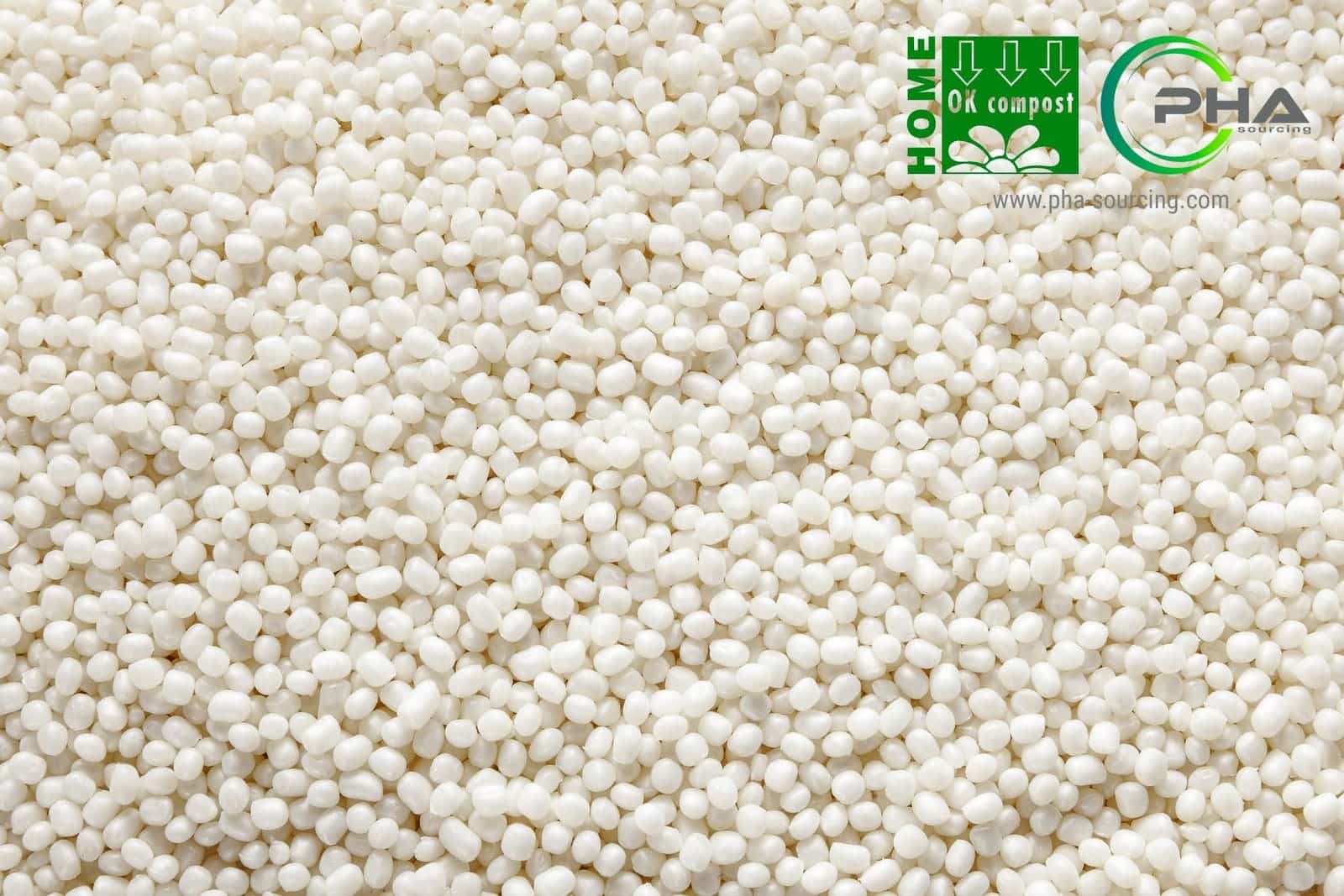
Among the various bioplastics being studied for automotive use, PHA is receiving growing attention. Produced through microbial fermentation of renewable resources, PHA belongs to a family of polymers that are both biosourced and biodegradable in natural environments.
This characteristic differentiates PHA from many traditional plastics and even from some other bioplastics. In applications where end-of-life management is a growing concern, materials capable of degrading under natural conditions represent an attractive alternative. For manufacturers integrating circular economy principles into their product design strategies, PHA offers an additional pathway toward responsible material sourcing.
Expanding opportunities for industrial adoption
The increasing interest in bioplastics within the automotive sector reflects a broader transformation of industrial material supply chains. As production capacities grow and technological development progresses, the performance and availability of materials such as PHA are expected to improve further.
For industrial buyers and innovation teams, this evolution opens the door to new possibilities. From interior components to specialized applications requiring lightweight and sustainable materials, PHA-based solutions can support the development of next-generation products aligned with environmental expectations.
At PHA Sourcing, we support companies looking to integrate PHA materials into their industrial projects. With reliable supply capabilities and expertise in biosourced polymers, our team helps manufacturers accelerate their transition toward sustainable materials.
Contact PHA Sourcing to explore how PHA pellets and other PHA-based solutions can support your innovation strategy and environmental commitments.