
The global Polyhydroxyalkanoates (PHA) market is accelerating as packaging, agriculture, medical, and consumer goods brands look for credible alternatives to petrochemical plastics. According to a DataM Intelligence report, the market is expected to reach US$ 171.3 million by 2030, with a projected 8.7% CAGR over 2024-2031. Adoption is being supported by innovation in polymer manufacturing, rising investment in circular bio-economies, and stronger policy pressure to reduce plastic pollution. For industrial buyers, this trend signals a fast-moving materials landscape where performance, regulatory alignment, and scalable supply are becoming decisive selection criteria.
PHA market outlook: growth drivers and buyer impact
Why the Polyhydroxyalkanoates (PHA) market is gaining momentum
The Polyhydroxyalkanoates (PHA) market is expanding as organizations respond to plastic waste concerns and wider sustainability commitments. In the report, PHA is described as a bio-based polymer produced through microbial fermentation of renewable carbon sources such as sugar, vegetable oils, and agricultural feedstock. Market momentum is linked to innovations in manufacturing and fermentation optimization, investments in circular bio-economies, and increasing government restrictions targeting plastic pollution. The packaging segment leads demand as brands test compostable packaging films, molded containers, and disposable consumer products. At the same time, PHA adoption is extending beyond packaging into agriculture, medical, automotive, and consumer goods, driven by the need for biodegradable materials that can be engineered for different performance profiles.
For procurement and sustainability teams, the key implication is that material selection is becoming more application-specific. The report highlights how product diversification enables tailored characteristics such as strength, barrier protection, elasticity, and decomposition rates. This is especially relevant for buyers who must balance functional requirements with environmental targets and evolving policy constraints in their markets.
Applications: packaging dominance, plus medical and automotive traction
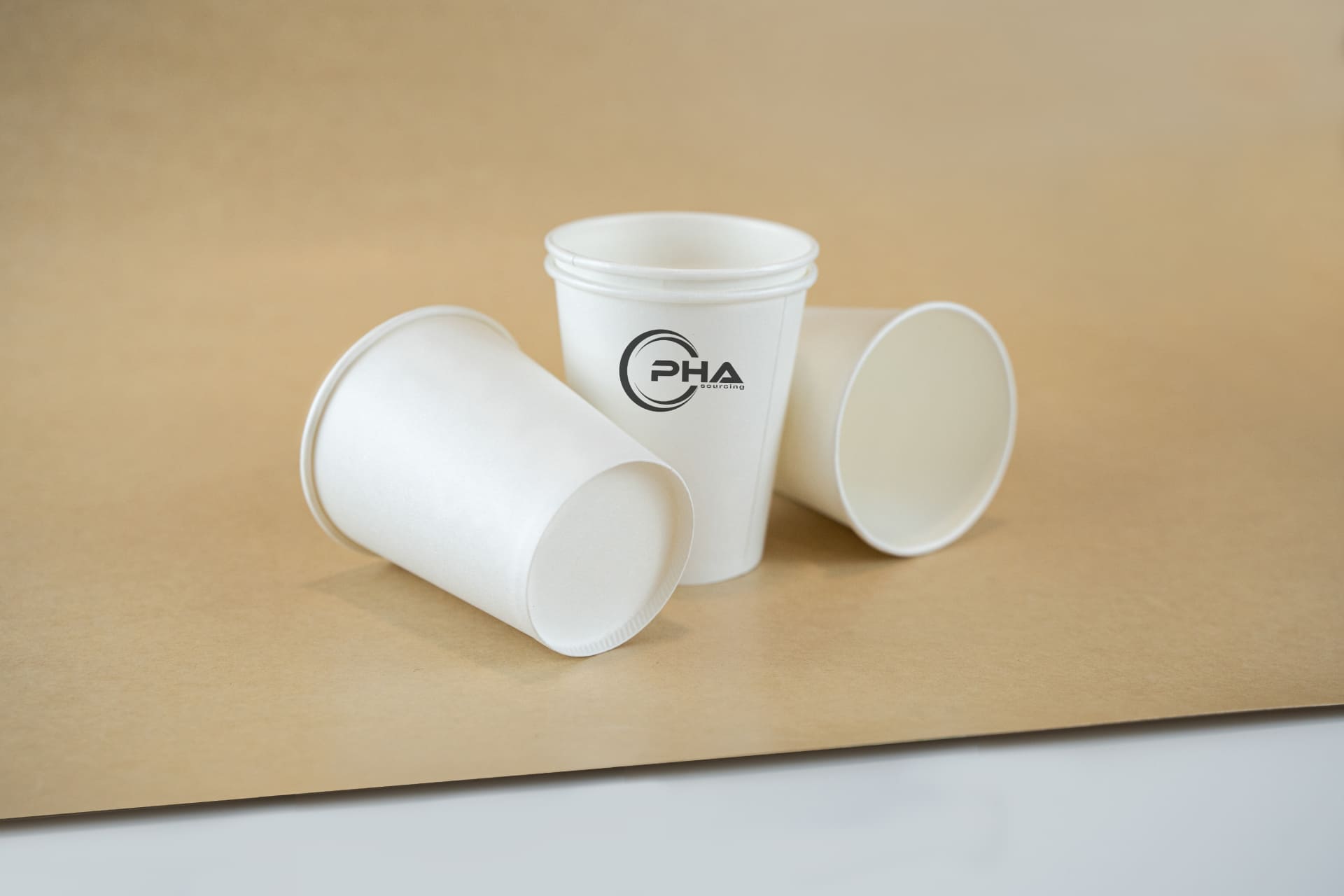
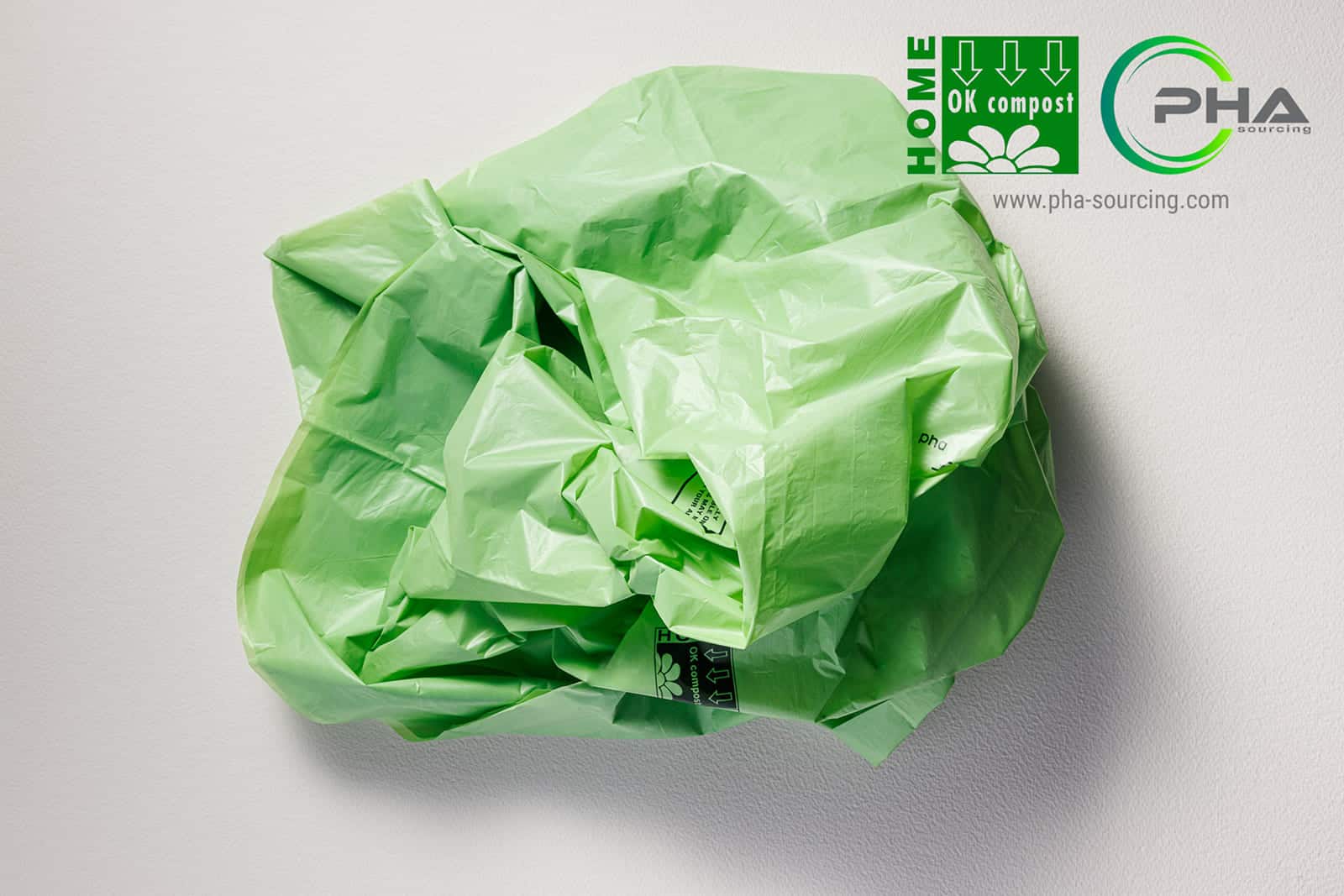
Packaging remains the most dominant end-use segment in the Polyhydroxyalkanoates (PHA) market, supported by demand for biodegradable films, compostable bags, food packaging trays, and agricultural mulch films. The report also notes medical-grade PHA adoption for drug delivery and tissue engineering, as well as broader medical innovations including sutures, controlled drug release materials, and tissue scaffolding. Automotive applications are emerging, with PHA being developed for interior trims and lightweight components to support vehicle emission targets.
From a sourcing perspective, these application trends reinforce the need to specify the right PHA family for the job. The report differentiates between short-chain-length PHA, commonly used in packaging due to stiffness and biodegradability, and medium-chain-length PHA, valued for higher elasticity and used in medical implants, coatings, and consumer goods. Buyers evaluating PHA for packaging should align on barrier needs, stiffness, and processing constraints, while medical or specialty applications may prioritize elasticity and material purity associated with advanced fermentation and enzyme engineering improvements described in the report.
Regional signals and recent developments to watch
Regionally, Europe holds the largest share of the Polyhydroxyalkanoates (PHA) market, attributed in the report to strict sustainability regulations, advanced recycling ecosystems, and rapid adoption of biodegradable plastics in food and beverage. Asia-Pacific is expected to grow fastest, supported by industrialization, R&D investments, and rising demand in automotive and healthcare, with China and Japan highlighted for investments in bioplastic technology. North America is described as showing steady growth supported by bioplastic manufacturing expansion and higher consumer awareness.
The report also lists recent developments from late 2025. In the United States, it notes stabilized PHA pricing in December 2025 at 3505 USD/MT, alongside next-generation PHA materials introduced in November 2025 with improved tensile strength and heat resistance, and commercial availability of new PHA-based packaging films and compounds for CPG brands in September 2025. In Japan, it cites a December 2025 market valuation estimate of USD 165 million, and points to Kaneka advancing PHBH biodegradable polymers through partnerships (November 2025) and an investment of ¥12.4 billion to expand PHBH capacity (October 2025). These signals suggest ongoing performance improvements and capacity-related activity that industrial buyers should track when planning material transitions.
To support internal decision-making, review the fundamentals of what is PHA and explore industrial sourcing considerations for PHA pellets when evaluating packaging and durable applications.
Interested in integrating PHA into your product roadmap? Contact PHA Sourcing to discuss application fit, material selection, and sourcing options aligned with your packaging, medical, or industrial requirements.